[ad_1]

Two years into Russia’s full-scale invasion of Ukraine, the U.S. Government finally issued a business advisory on Russia. We first called for such guidance to be issued in a letter to U.S. Secretary of State Antony Blinken and Secretary of Commerce Gina Raimondo in November 2022. This overdue development should nonetheless be an urgent wake-up call to the American companies still operating in Russia: It’s past time to drop their keys and leave.
For the first time, the U.S. government is highlighting the fact that “businesses and individuals operating in Russia and occupied territories of Ukraine are at risk of being implicated in Russia’s violations of international law and human rights abuses.” The Ukrainian government has documented some 125,000 alleged war crimes in Ukraine committed by the Russian Armed Forces–and that number is growing rapidly.
All U.S. and other foreign companies with business operations in Russia are now implicated in its gruesome war crimes and crimes against humanity committed on Ukrainian soil. They are also subject to legislation that obliges all foreign companies to help conscript eligible employees and provide material support for the war effort.
Other key risk areas faced by American companies in Russia include exposure to sanctions, export controls, import prohibitions, money laundering vulnerabilities, and corruption as Russia remains a high-risk jurisdiction. The business advisory also highlights risks associated with the proliferation and implementation of repressive laws, including expropriation and detention. The most recent cases of the French yogurt maker Danone and Danish brewer Carlsberg, whose assets were nationalized by the Kremlin’s cronies practically overnight, provide a vivid illustration of such material risks faced by companies that chose to remain after the start of Russia’s all-out war in 2022.
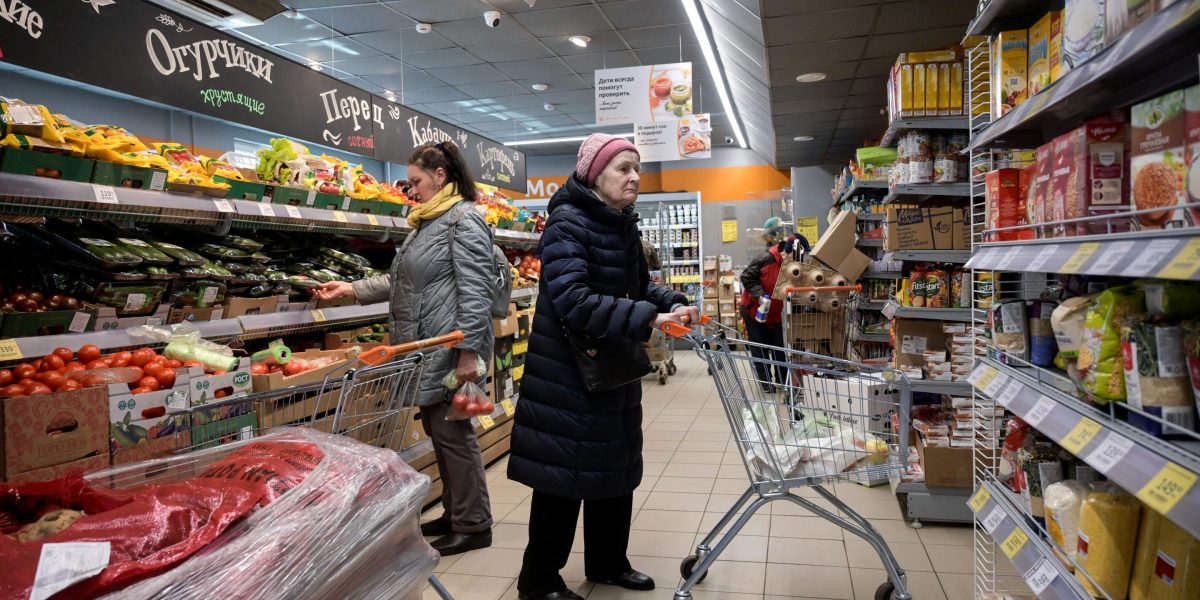
There are still over 300 U.S. companies operating in Russia. American firms, especially from the fast-moving consumer goods sector (FMCGs), remain some the most profitable in the Russian market, contributing the most to the Kremlin’s war coffers. In 2022 alone, U.S. businesses paid $751 million only in profit tax to Russia’s increasingly militarized budget. What sets most FMCGs apart is their extensive claim to be providing “essential” goods to the Russian population as a reason to remain.
B4Ukraine has engaged with over 180 companies to warn them of the range of material, legal, and reputational risks and urged them to exit responsibly and quickly. Many of these businesses justify their presence by claiming to provide “essential goods” and stretching this definition to include cookies, chocolates, and shampoo. Such claims mislead customers and insult the Ukrainians who sacrifice their essential lives to defend freedom for all. It is disappointing to see that the new guidance fails to address the misuse of the essentiality argument.
Despite its shortcomings, the new business advisory on Russia is a step in the right direction. It urges U.S. companies to look beyond sanctions compliance in order to address significant material and human rights risks associated with continued business operations in Russia, including the risk of being implicated in its war crimes and crimes against humanity.
This U.S. government guidance also indirectly challenges the continued presence of American companies operating in Russia that undercuts the substantial U.S. assistance extended to Ukraine throughout this war, which, according to the Kiel Institute, has amounted to over 73 billion dollars.
This guidance should also give impetus to other G7 and allied governments to issue similar guidance to their own companies still operating in Russia. In turn, foreign businesses should take immediate steps to exit the country.
After two years since its full-scale invasion and 10 since the start of Russia’s illegal war on Ukraine, it is crystal clear that the only right course of action for U.S. and international companies doing business in Russia is to leave–or risk being implicated in Russia’s egregious violations of international law.
Bennett Freeman is a former U.S. Deputy Assistant Secretary of State for Democracy, Human Rights and Labor. He is a co-founder of B4Ukraine.
Nataliia Popovych is a co-founder and member of the steering committee of B4Ukraine.
More must-read commentary published by Fortune:
The opinions expressed in Fortune.com commentary pieces are solely the views of their authors and do not necessarily reflect the opinions and beliefs of Fortune.
[ad_2]
Source link


