
[ad_1]
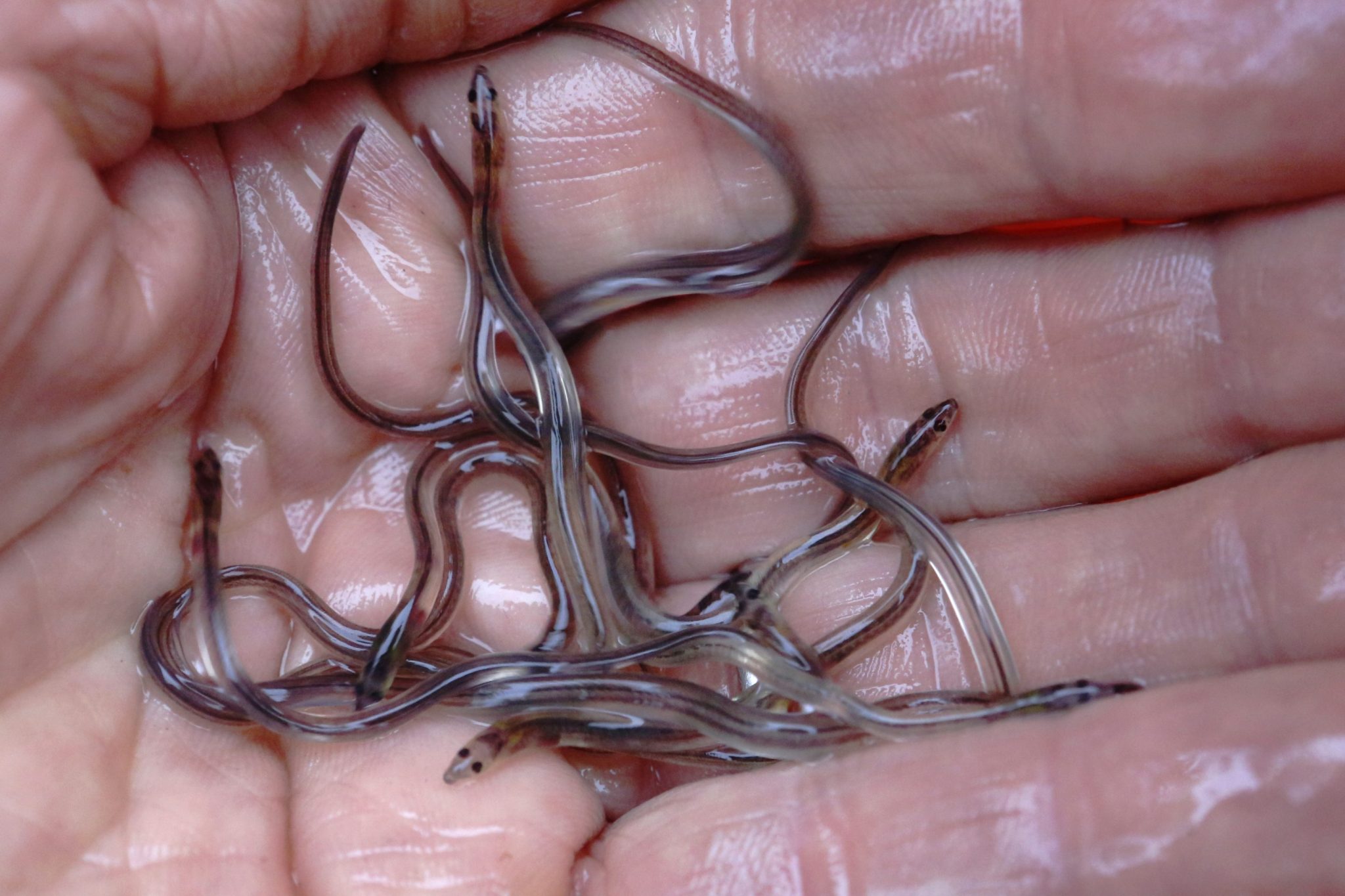
Fishermen in the U.S.’s only commercial-scale fishing industry for valuable baby eels once again had a productive season searching for the tiny fish.
Baby eels, called elvers, are often worth more than $2,000 per pound because of how valuable they are to Asian aquaculture companies. That makes them one of the most valuable fish species in the U.S. They’re raised to maturity so they can be used in Japanese food, some of which is sold in the U.S. in unagi dishes at sushi restaurants.
The elvers have again been worth more than $2,000 per pound at the docks this year, according to the Maine Department of Marine Resources. The fishermen are limited to a combined quota of a little less than 10,000 pounds per year and were about through it by early May, the department said. The price was a tick below last year’s, but higher than the previous two.
Fishermen this year have been aided by favorable weather and strong international demand, said Jeffrey K. Pierce, a former Maine state representative and adviser to the Maine Elver Fishermen Association. Foreign sources of baby eels have largely dried up, and that has made Maine eels more valuable in recent years.
“There’s a huge demand for it. They’re not getting a lot out of Europe,” Pierce said. “And it’s just a great product.”
South Carolina is the only other state in the country with a fishing industry for baby eels, and that state’s fishery is much smaller.
Maine fishermen harvest the eels using nets in rivers and streams every spring. Some fish in rural areas, while others harvest them in the state’s cities, including Portland and Bangor. They’re also harvested by members of Native American tribes in the state.
The worldwide industry for eels has been threatened by poaching for many years because of how valuable the fish are. Maine has adopted new controls in recent years to try to thwart illegal elver fishing and dealing in the state. Federal law enforcement has also targeted illegal eel dealing and fishing.
Still, illegal dealing persists. One study published this year by a research team led by the University of Exeter found that as much as two-fifths of the North American unagi samples they tested actually contained European eels, which are banned from importing or exporting.
[ad_2]
Source link


