[ad_1]
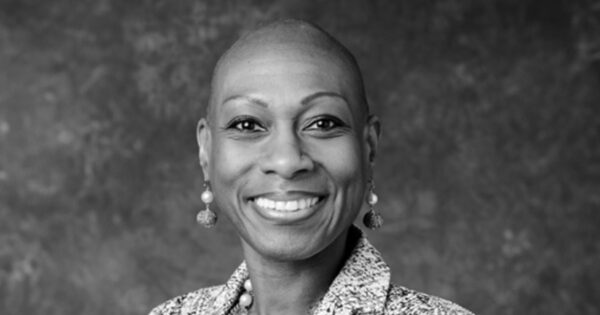
The recent tragic passing of Antoinette Candia-Bailey, the vice president of Student Affairs at Lincoln University, strikes a deeply personal chord. It has taken time to fully process the tragedy, the depth of loss and the raw truth her experience exposes. Especially now, on the first day of Black History Month, because Dr. Candia-Bailey’s story is not an isolated incident, but a reality tragically reflected in recent studies like Lean In’s The State of Black Women in Corporate America, which continually highlight the duress that only anonymity offers a voice to.
A trail of breadcrumbs leading to the often-unspoken challenges faced by Black women in corporate spaces, mirroring my own experiences as someone who has navigated similar terrain while grappling with bipolar disorder and ADHD. In Dr. Candia-Bailey’s life, we see the stark intersectionality of adversity, a reminder that the battles we fight can be multi-pronged, layered and ever-present.

My journey began young, at 14 when I was often, but not always, the product of a single-income household. Two younger siblings, limited resources and an unspoken pressure to contribute fueled every step, every ambition. That silent demand for being a contributor at such a young age impacts a lot of Black professionals and creates the foundation for our thinking—an urgency to run away from poverty and to give back to our homes.
When I entered the workforce as a file clerk at a medical college, I was stepping into a corporate world light years away from the promises of “diversity.” Even a decade ago, inclusion was a mirage on the horizon, barely a blip on the radar of employee experiences. These 22 years in the corporate world have been a masterclass in navigating the labyrinth of inequity.
I internalized the deficit narrative, the cultural understanding that demanded Black excellence be tenfold to barely graze the surface of career acknowledgment or growth. The micro-aggressions, the gaslighting and the subtle undermining were insidious, chipping away at my confidence, my self-worth and my very sense of belonging. Every promotion denied, every opportunity withheld, became a silent echo in the chambers of my mind.
And who dared, in that era, to speak of the invisible impediment of mental illness and neurodivergence? Our worth, so brutally tied to perceived productivity, crumbled under the weight of stigma and silence.
We, the Black women with neurodivergent minds and burdened souls, carry the weight of multiple worlds. We are the code-switchers, the emotion monitors, the performers in a play with an unwritten script of expectations. And when the weight becomes too much, when the whispers turn to roars, who catches our fall?


