[ad_1]
Selling frugal fast-food buyers on dynamic pricing and digital menus gets more difficult once it’s framed as surge pricing and Uber multipliers. But consumers have already, unwittingly, bought into Wendy’s new system.
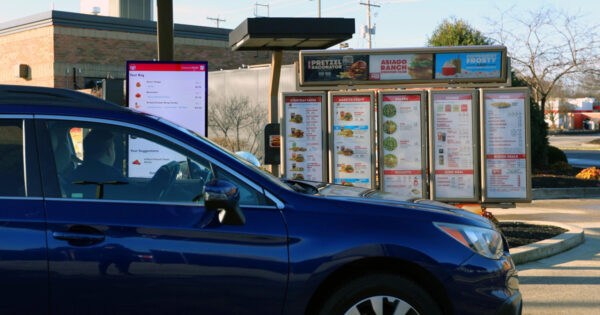
On its February earnings call, Wendy’s CEO Kirk Tanner announced that the fast-food chain would be spending roughly $20 million on digital menu boards that would let it change prices on the fly and—paired with a Google-powered AI voice platform—offer suggested upsells to customers. It basically announced plans to digitize and personalize “do you want fries with that,” and social media responded with its characteristically measured restraint.
It was enough to force Wendy’s to issue a statement on Tuesday denying that its plan signaled surge-pricing-style “intent to raise prices when demand is highest at our restaurants.” Instead, the company insisted that its digital boards and dynamic pricing would allow it to be more nimble with its menu and “offer discounts and value offers to our customers more easily, particularly in the slower times of day.”
What it didn’t do is change the reality that airlines, hotels and other businesses have been using various forms of surge pricing and dynamic pricing for years. As it’s crept into movie theaters, bowling alleys and restaurants, it’s taught customers to expect a premium for certain hours and products and a discount for others.
Ashwin Kamlani, co-founder and CEO of data-driven dynamic pricing platform Juicer, noted that anyone who has popped into a bar during happy hour or ordered off a late-night menu has experienced dynamic pricing. For two years, his company has helped restaurant chains like BurgerFi and Bartaco navigate third-party delivery platforms like DoorDash and UberEats, where customers during the pandemic learned an order can be 15% to 40% more expensive during peak delivery hours.
“The dynamism is already there: Consumers are already used to it,” Kamlani said. “It is a question of conditioning, but it should be positioned to the consumer as a benefit: Restaurants are going to charge you less when they’re less busy.”


