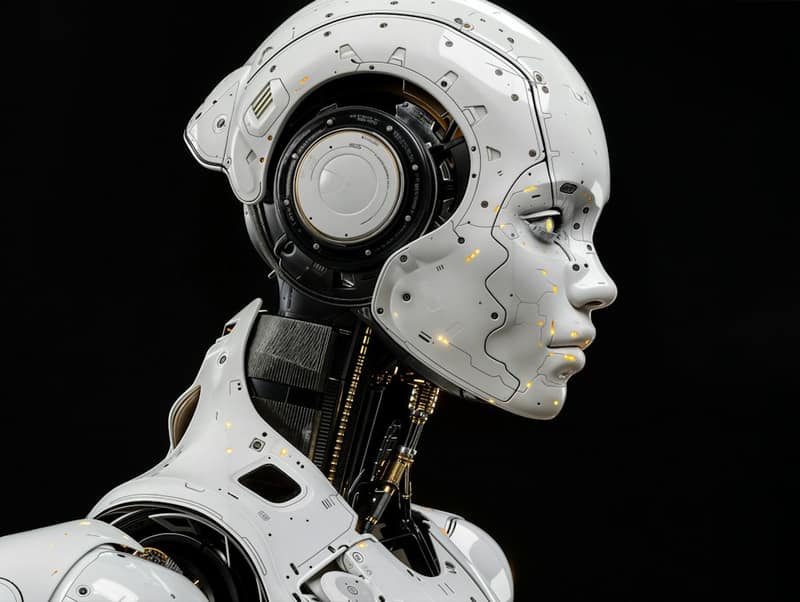
An AI agent is a software system that works toward a goal by deciding on steps and taking actions, often using tools such as search, databases or other applications, rather than only replying to a single question. The key difference from a basic chatbot is the loop: the agent plans, acts, observes the result and adjusts.
The idea is promising and often overstated, so it helps to be clear about what agents can and cannot reliably do today.
Key takeaways
- A chatbot answers. An agent pursues a goal across several steps and may use tools.
- Agents are strongest on well-defined tasks with clear success checks.
- They can make mistakes, so oversight and limits on what they can do are essential.
- Start small, keep a person in the loop and expand as trust is earned.
How an agent works
Most agents combine a language model, which interprets instructions and decides what to do next, with a set of tools it is allowed to use and a loop that repeats until the task is done or a limit is reached. A simple example is an assistant asked to prepare a meeting summary: it might find the notes, extract key decisions, draft a message and ask for approval before sending.
Behind the scenes, the model is generating likely next steps based on its training and the context it is given, which explains both its flexibility and its occasional confident errors. If the underlying technology is new to you, what is generative AI is a good place to start.
What agents are good for
Agents tend to help most with tasks that are repetitive, involve several steps across tools and have a way to check the result.
- Gathering and organizing information from several sources.
- Drafting routine documents or messages for a person to review.
- Triaging incoming requests and routing them to the right place.
- Handling structured workflows, such as updating records after a standard event.
What agents are not
An agent is not a human colleague, and it does not understand the world the way a person does. It can misread instructions, rely on outdated or wrong information and take an action that seemed reasonable but was not. It does not automatically know your company’s unwritten rules. Treat claims of fully autonomous, flawless operation with skepticism.
Risks to manage
Because agents can take actions, errors can have consequences, such as sending the wrong message or changing the wrong record. Reduce risk by limiting permissions to what the task needs, requiring approval for sensitive steps, logging what the agent does and testing on low-stakes work first. Protect sensitive data and think about what information the agent can see, using the principles in using AI responsibly in your business.
How to begin
Pick one narrow, repetitive task with a clear definition of success. Run the agent alongside a person, compare results and track errors. Write down the rules it must follow, and review its work regularly. Expand only when results are consistently good.
Common mistakes to avoid
- Giving too much access too early. Start with narrow permissions.
- Expecting perfection. Plan for errors and build in checks.
- Skipping evaluation. Without a way to measure success, you cannot tell whether the agent helps.
- Forgetting the human experience. If customers or colleagues are affected, make sure they can reach a person.
An illustrative example
Imagine a support team that receives many routine questions about order status. They set up an agent that can look up an order in the system, draft a reply and suggest a category for the ticket. A human agent reviews each draft before it is sent. Over several weeks, the team tracks how often drafts are correct, how much time is saved and which cases the system handles poorly. Based on those results, they allow automatic replies for the simplest, lowest-risk cases and keep people in charge of everything else. Trust was earned in steps.
Frequently asked questions
Will AI agents replace workers?
They will change how some tasks are done, particularly routine ones. Most current uses aim to support people, with judgment and accountability remaining human.
Are agents the same as automation scripts?
Not quite. Traditional automation follows fixed rules. Agents can handle more variable situations, but with less predictability.
How do I know if a task suits an agent?
If it is clearly defined, low risk and easy to check, it is a good candidate for a trial.