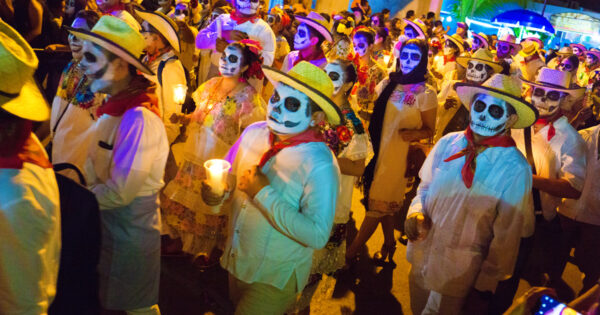
Brands, creators and makers are increasingly recognizing the potential of Día de los Muertos, investing not just financially but also in time, effort and creativity to develop compelling stories that resonate with Mexican audiences and get people talking. For example, Barbie recently introduced a Día de los Muertos doll that beautifully captures the spirit and tradition of this celebration. Nike debuted a new Día de los Muertos collection, paying homage to the everlasting family ties and memories between the dead and the living.
Cerveza Victoria, considered Mexico’s oldest beer brand, has launched a campaign that invites Mexicans on a journey to discover life after death, weaving together a beautifully told film and a unique corrido (a form of musical expression in Mexico). This marks the first personalized corrido created specifically for Día de los Muertos, a nod to the growing cultural significance of this holiday and a celebration of life and remembrance that deeply echoes the Mexican spirit.
With these three examples, you’ll notice how brands are authentically adding to an experience and moment. And they’re doing so by tapping technology and showcasing appropriate products in a respectful manner, rather than resorting to careless mass commercialization that can cheapen traditions and ideas.
From local to global
There are two key things creatives and marketers should keep in mind.
The first is the importance of local relevancy and how it can scale and become global. As more top brands celebrate Día de los Muertos, it’s become clear that tailoring communication efforts to local customs can foster authentic connections with consumers while extending their reach.

It’s also evident that younger generations are demonstrating a growing enthusiasm for holidays like Día de los Muertos. All of this underscores the idea that cross-cultural (and generational) understanding can break several barriers and forge meaningful connections.
As we embrace this creative renaissance in Mexico, we must acknowledge the responsibility that comes with harnessing the power of Día de los Muertos—or any cultural tradition for that matter—for marketing and storytelling. It’s about more than just selling products; it’s about telling the truth, giving a brand an authentic voice and respecting a cherished tradition. When executed with care, these ideas can become a testament to the cultural appreciation that exists in our global creative industry.


