[ad_1]
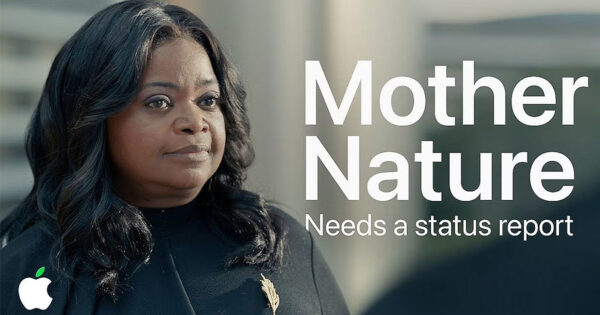
Earlier this month, Apple launched its eco-themed campaign, “Mother Nature.” While the initial hype, ranging from fanboying to scrutinizing, has subsided, the implications of the campaign on how sustainability is marketed in the future are just beginning.
In what can be deemed a critical moment for corporate sustainability, prominent early initiatives can shape norms and form habits for marketers and audiences alike. That is why it is important to look deeper at this campaign from all sides—environmental, regulatory and marketing—and apply the learnings moving forward.
Though this is only one campaign, this is bigger than Apple.
The modern version of ‘made with 100% real fruit’
While Apple has made notable sustainability strides, such as using “100% recycled materials in laptop enclosures” and investing in renewable energy projects, the issue lies in the technicalities of the campaign’s sustainability claims and language, like “carbon neutrality,” which are caveated at best.
Though there was scrutiny in the press, it mostly focused on the old hat issue of Apple’s wasteful business model, centered around planned product obsolescence. America loves a good “based on a true story” narrative, regardless of how small the “true” percentage may be. So it is not surprising that most people, including marketers, bought into the premise of Apple’s campaign.
The brand executed an expertly crafted and beautifully designed assault on our perception, leaving many unaware of the subtle greenwashing. As a result, we tacitly accepted the intended narrative that read: “Thanks to our brilliance, the more stuff we make, the better off the planet will actually be. So go ahead and buy a carbon-neutral watch today.”
Persuasive marketing aside, there is a bigger reason at play here: Sustainability is not green, it is gray. It is a fledgling, highly-complicated field that is still finding its way.
Determining if a sustainability initiative has real impact or merely contributes to the plastic-straw effect, is often challenging, even for experts. Currently, the impact of corporate sustainability is brought to life in self-administered, annual reports. Apple’s campaign is de facto paraphrasing the key points of its 114-page environmental report.


