[ad_1]
Electric bicycles (or e-bikes) are gaining popularity as a more sustainable mode of transport, especially for shorter trips.
E-bike sales grew by 269% between 2019 and 2022 in the U.S., according to data from market research firm Circana and reported by ABC. Over half of U.S. states have some kind of rebate program in place, adding fuel to the category’s growth.
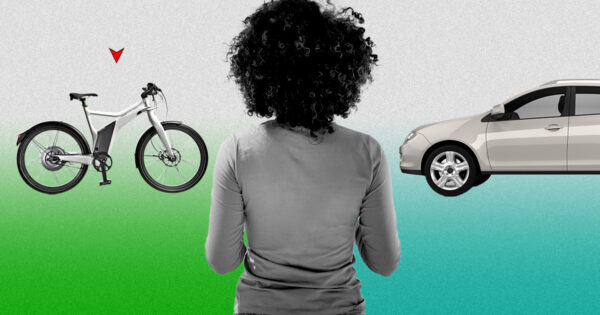
Now, brands like Texas-based eBliss—and auto companies like Volkswagen and Porsche—are aiming to scoop up a new segment of consumers by promoting their e-bikes alongside cars and golf carts rather than inside traditional bike shops.
“The majority of the market growth is going to come from people that today don’t own a bike,” said Kersten Heineke, partner in McKinsey’s Frankfurt office and co-lead of the firm’s Center for Future Mobility. “They’re used to the service that you would get from a car dealership. They’re used to the fact that if you bring in your car, you might actually get a replacement vehicle for the day. The good news is they’re also willing to pay more because their point of reference is what they pay for their car, rather than what they would be paying for a bicycle.”

Of all the ways our economy is generating greenhouse gases, transportation makes up the biggest piece of the pie. Over a quarter (28%) of U.S. emissions in 2021 came from the sector, according to the Environmental Protection Agency (EPA)—mainly due to the cars, planes, boats, ships and trains that burn fossil fuels to get around. And, while public transit and electric cars have their place in the sector’s transition, e-bike use is poised to play a greater role.
Owning the mile
Bill Klehm, CEO of eBliss, describes his company’s strategy as “owning the mile.”
Of the 119 million car rides Americans take daily, 29 million are less than a mile, he said, noting that those shorter trips generate the most emissions per mile. By focusing on converting those trips to e-bikes, brands like eBliss can have an enormous climate impact.
But to win over a car-obsessed country, e-bike brands have to act less like bike companies and more like car companies, Klehm theorized. That means building the service into the sales model in the same way a car dealership would—and getting rid of the fussier components of bikes that require constant tuning and adjustments.


